
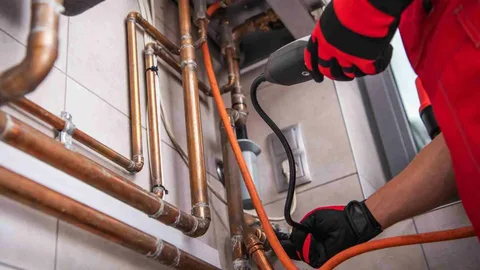
Gas lines stay hidden behind walls, under floors, and buried in the ground. Nobody pays attention to them until something goes wrong, and when it does, it happens quickly. Understanding what causes gas line issues and how gas line repair experts in Salt Lake City handle them puts you in a better position when trouble shows up.
Problems with gas lines do not just appear. Something causes them. Here are the most common ones.
Metal pipes break down over time. Moisture in the soil works on underground lines constantly. Humidity inside walls does the same thing to interior pipes. The pipe wall gets thinner, small holes open up, gas starts leaking out. Gas line leak repair on a corroded pipe almost always means pulling that section out and putting a new one in.
A gas line put in the wrong way from the beginning will give trouble eventually. Fittings left loose. Wrong pipe material used for the location. Joints not sealed properly. Any of these turn into leaks down the road that need repair gas line work to sort out.
Pipes get old. Some materials used in older homes were never built to hold up as long as what gets used today. They go brittle. They crack. They start failing in spots. Homes that have never had the gas lines looked at should get a gas line repair service to come out and do a full check.
A shovel hits an underground pipe during yard work. A contractor nicks an interior line during a renovation. Soil shifts and puts pressure on a buried section. Any direct damage to a gas pipe is a same day situation. Gas line repair services need to get out there fast when this happens.
Anywhere two pipes join or a line connects to an appliance is a spot where a leak can start. Vibration from normal use and temperature swings through the seasons work fittings loose over time. A small amount of gas escaping from a loose joint does not stay small; it gets worse with every passing week.
Roots go where moisture is. Underground gas lines attract them. A root wraps around a pipe, squeezes it, eventually cracks it. The damage happens below ground where nobody can see it. That is why a plumber gas line repair technician uses pressure testing gear to find these; you cannot spot them any other way.
Different problems need different fixes. Here is how gas line repair handles each one.
Gas line leak repair starts with locating the exact spot where gas is getting out. Pressure testing and gas detection equipment pinpoint it. Gas supply gets shut off. The damaged section gets repaired or swapped out. The full line gets tested again after the fix. Gas does not come back on until the test shows everything is sealed tight.
A pipe section that is too far gone to patch has to come out. The new section goes in with the right material for that part of the system. Older homes run into this often when the original pipe material has simply run its course. A certified gas line repair service handles the permit and inspection side of this work too.
Loose fittings get tightened or swapped out. Joints that were never sealed right the first time get done properly. Repair gas line work on fittings is usually a quicker job but it still needs proper testing to confirm nothing is still leaking.
Underground gas line repair takes more steps. First the leak gets located with pressure testing. Then the ground gets opened up over the damaged section. Pipe gets repaired or replaced. Ground gets closed back up. Everything gets tested again. It takes longer than interior work but the steps are the same: find it, fix it, test it, confirm it.
Sometimes the issue is not a broken line but a line that was never properly connected to a new appliance. A gas stove, dryer, or outdoor grill added without a correct connection is a hazard sitting there waiting to become a problem. A gas line repair service near me connects it properly and confirms it meets code before anything gets used.
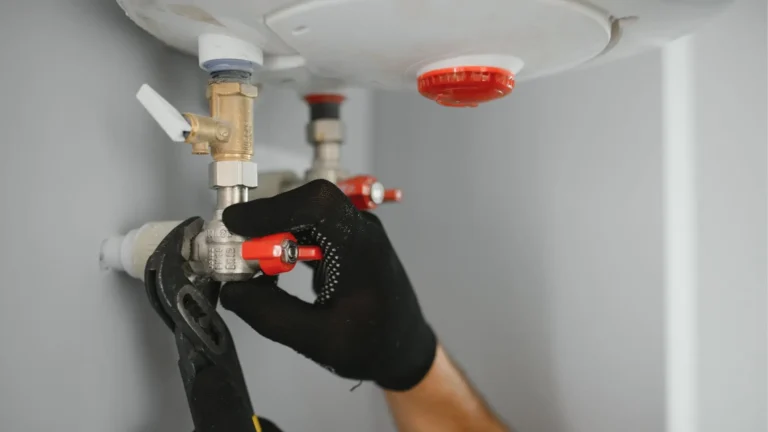
Some of these are hard to miss. Others are easy to brush off. Do not brush any of them off.
Natural gas on its own has no smell. The smell that gets added to it mercaptan smells like rotten eggs or sulfur. Catch that smell anywhere near a gas appliance, a pipe, or outside near the meter and call a gas line repair service right then. Do not go back inside until someone clears it.
Gas escaping through a crack or loose fitting makes a hissing sound. Hear that near any gas line or appliance and call for gas line leak repair the same day.
A patch of grass or plants that keeps dying in a line across the yard can mean gas is leaking underground. The gas displaces oxygen in the soil and the plants above it die. This is one of the quieter signs that is easy to miss.
Usage stays the same but the bill goes up month after month. Gas escaping somewhere in the system before it reaches the appliances does exactly that. A plumber gas line repair professional can pressure test the system and find where it is going.
Burners that will not stay lit. A furnace that keeps cycling off before it should. A water heater that takes too long to heat up. All of these can point back to a supply problem on the gas line side.
Headaches, dizziness, feeling nauseous and it clears up when you go outside. That pattern points to carbon monoxide. Get everyone out right away and call for help from outside the house.
Gas line repair is under pressure. A mistake does not just mean the repair fails. It means gas escapes into the home and the next spark is a light switch, a pilot light, anything becomes a serious hazard.
An expert plumber gas line repair technician knows the system. They carry the right testing equipment. They follow the correct steps. They test the repair before leaving. That is the only way to know for certain the problem is actually fixed and not just covered up.
Proper gas line repair services also produce documentation. Permitted work that gets inspected creates a paper trail. That matters when a home gets sold or when an insurance question comes up later.
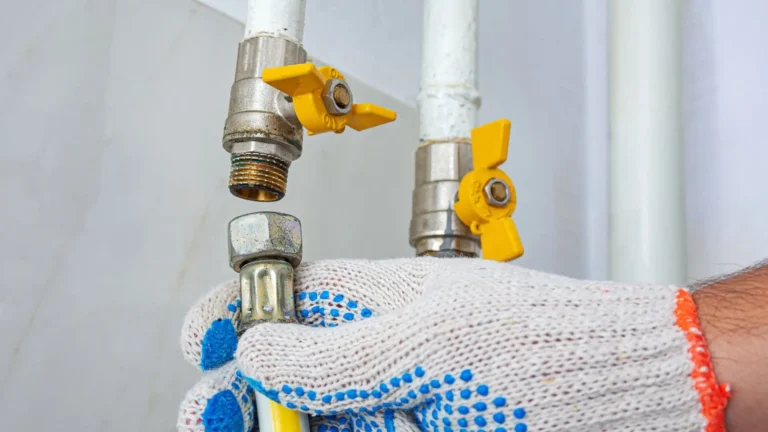
Corrosion, old pipe material, bad installation, physical damage, loose fittings, tree roots all of these cause gas line problems. Every one of them has a fix. But none of those fixes belong in the hands of someone without the right training and equipment.A slow leak ignored does not stay slow. Call a gas line repair service near me when the first sign shows up. Small problems handled early stay small. Left alone they get expensive and dangerous fast.